
We fight to dismantle incarceration by advancing policies that center healing, justice, and the leadership of system-impacted communities.
Governor Newsom’s signing of AB 247, AB 812, SB 553, and AB 1071 into law marks a major victory for our communities and the movement to advance justice and dignity for incarcerated people. These bills honor the humanity and labor of incarcerated firefighters, expand access to the courts, and remove unnecessary barriers for those fighting for accountability and transparency inside California’s prison system. Together, they move us closer to a system rooted in fairness, rehabilitation, and opportunity — not punishment. This is what progress looks like when directly impacted voices lead the way.

This bill increases the pay that incarcerated hand crew members receive for the hours worked while actively fighting fires. This bill was signed by the governor.
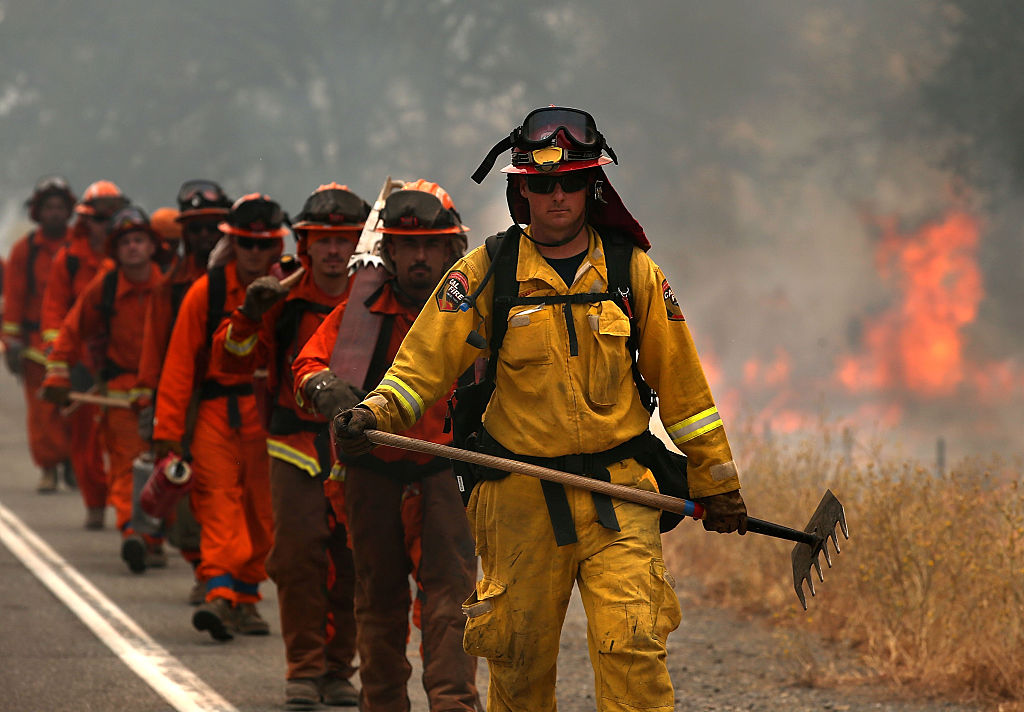
This bill authorizes the CDCR to recommend incarcerated firefighters to be considered for resentencing. It will also allow incarcerated firefighters to petition the court to be considered for resentencing. This bill was signed by the governor.

This bill grants short-term clearance to specified officials without needing to undergo standard clearance application procedures each time, and legal professionals will have access for up to a year. This bill was signed by the governor.
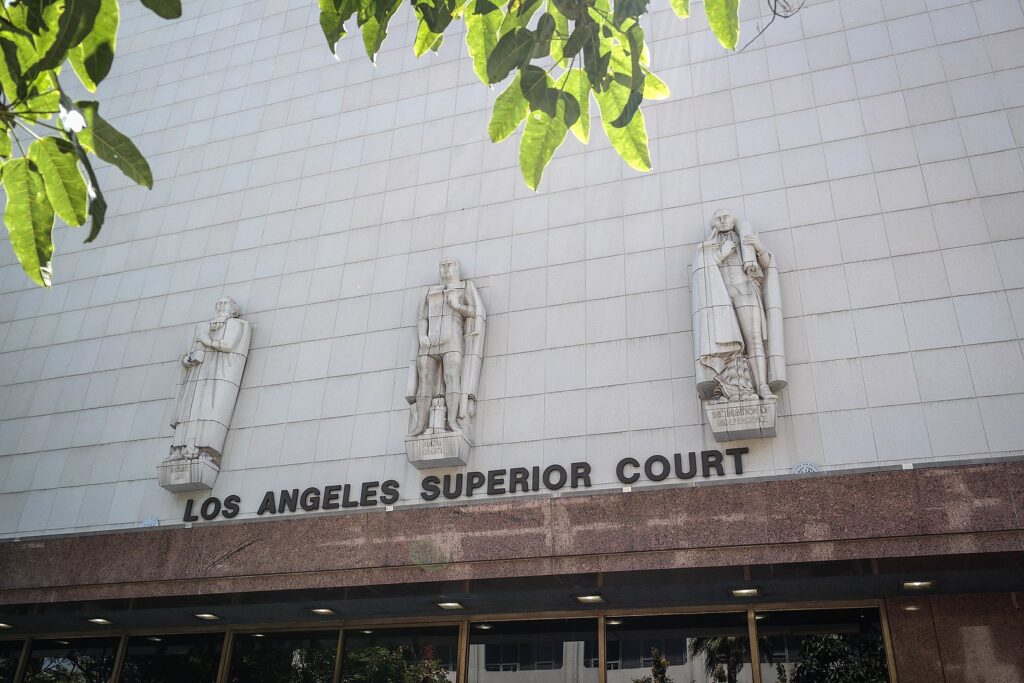
This bill makes clarifying changes to the procedures for Racial Justice Act (RJA) claims. It ensures greater consistency, transparency, and accessibility for people raising claims of racial bias in their cases. This bill was signed by the governor.

This bill would have required that county non-partisan elections appear on the general election ballot. For county offices like the Boards of Supervisors, District Attorneys, and Sheriffs, it puts in place a process that is consistent with all state election races. Unfortunately, this bill did not pass.
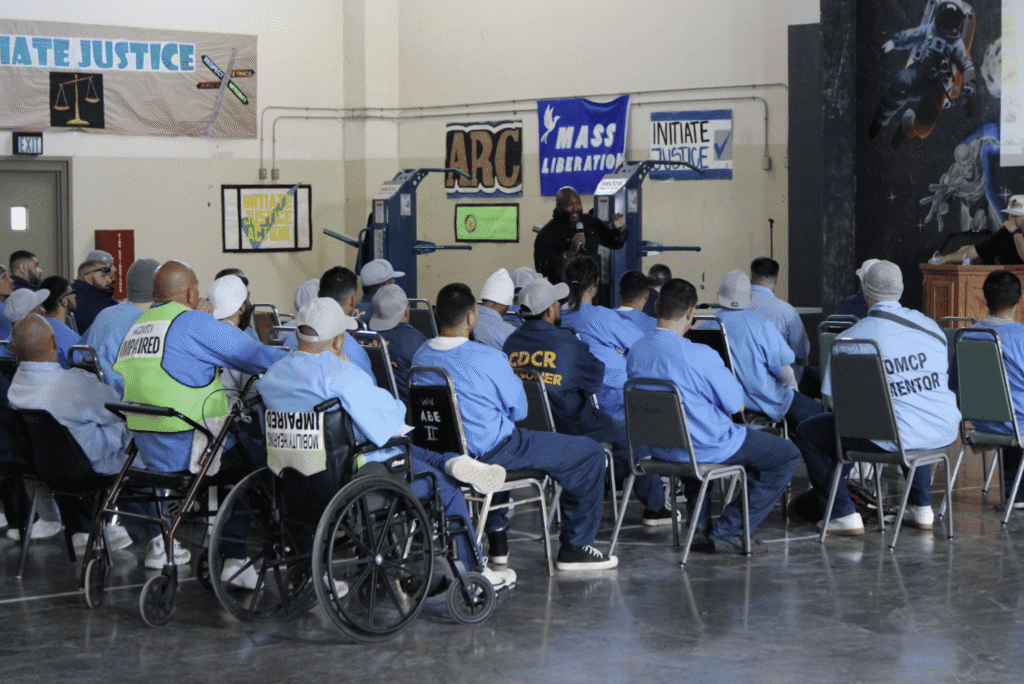
This bill would have reinforced CDCR’s ability to award credits to people with an indeterminate sentence for good conduct and completion of educational and other programs. It would have allowed someone to advance their MEPD and be eligible to go before the parole board based on credits earned. Unfortunately, this bill did not pass.
Creating change requires strategy, persistence, and collective power. We develop and support legislation that reduces harm, restores rights, and shifts the justice system away from punishment and toward healing.
We listen to impacted communities to surface urgent problems that require policy change.
We help write legislation that reflects the needs and demands of directly impacted people.
We organize communities, build coalitions, and meet with lawmakers to gather momentum.
We track the bill through committees, votes, and amendments—showing up every step of the way.
We push for implementation and stay engaged to ensure policies are carried out with integrity.